Building Long-Term Manufacturing Partnerships Instead of Short-Term Suppliers
Building long-term manufacturing partnerships instead of short-term suppliers is a strategic shift many fashion brands are making as global production becomes more complex. In an environment defined by volatility, compliance pressure, and fast market cycles, transactional sourcing models are no longer sufficient.
For brands seeking stability and scalability, long-term partnerships create a production ecosystem based on trust, shared standards, and continuous improvement. At CSL Garment Trading – FZCO, manufacturing relationships are developed as structured partnerships rather than one-off transactions.
The Limits of Short-Term Supplier Relationships
Short-term supplier models often focus on price negotiation and immediate capacity. While this approach may reduce costs in the short run, it introduces risks related to quality inconsistency, communication gaps, and lack of accountability.
When suppliers are treated as interchangeable, there is little incentive to invest in process optimization, compliance alignment, or technical improvement.
What Defines a Long-Term Manufacturing Partnership
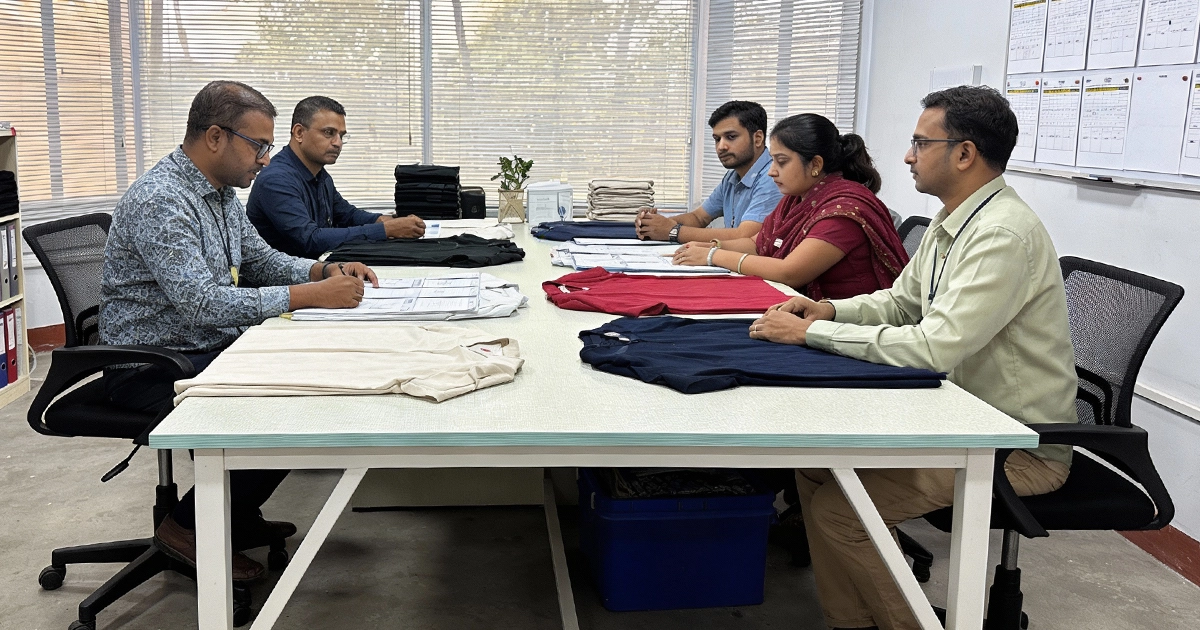
A long-term manufacturing partnership is built on shared objectives, transparent communication, and aligned standards. Both brand and manufacturer commit to consistent workflows, quality benchmarks, and compliance expectations.
This relationship evolves beyond production execution to include development support, planning coordination, and problem-solving as a joint responsibility.
Benefits of Long-Term Partnerships for Fashion Brands
Long-term partnerships offer tangible advantages across the supply chain. These include improved quality consistency, better production planning, and reduced operational risk.
Manufacturers familiar with a brand’s requirements can anticipate needs, optimize processes, and adapt more efficiently to changes in volume or design.
Compliance, Transparency, and Mutual Accountability
Compliance is more effective when partnerships are stable. Long-term relationships allow manufacturers to invest in compliance systems, documentation, and corrective actions aligned with brand expectations.
Transparency improves as workflows become standardized and reporting becomes routine rather than reactive.
According to McKinsey’s supply chain insights, long-term supplier collaboration significantly improves resilience and performance.
How CSL Builds Manufacturing Partnerships
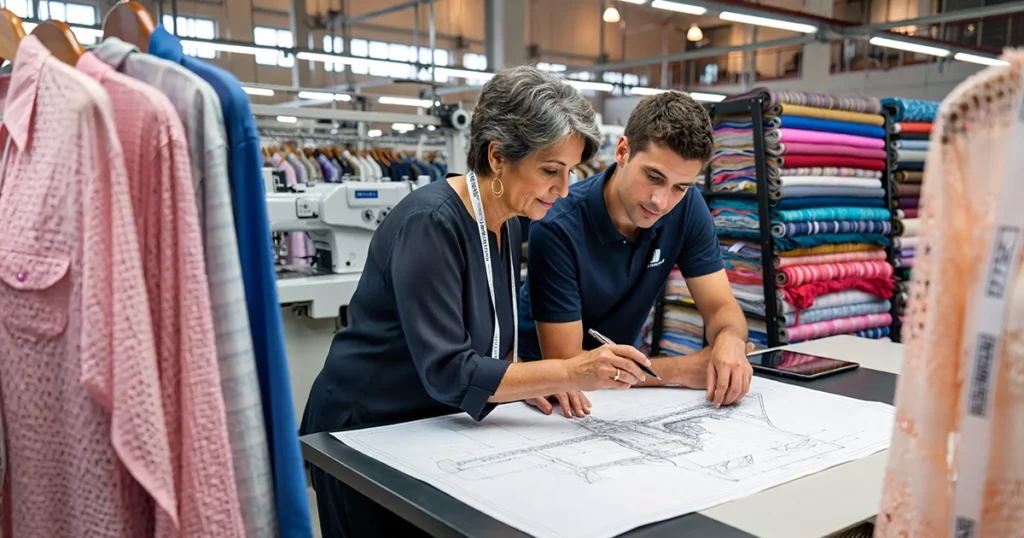
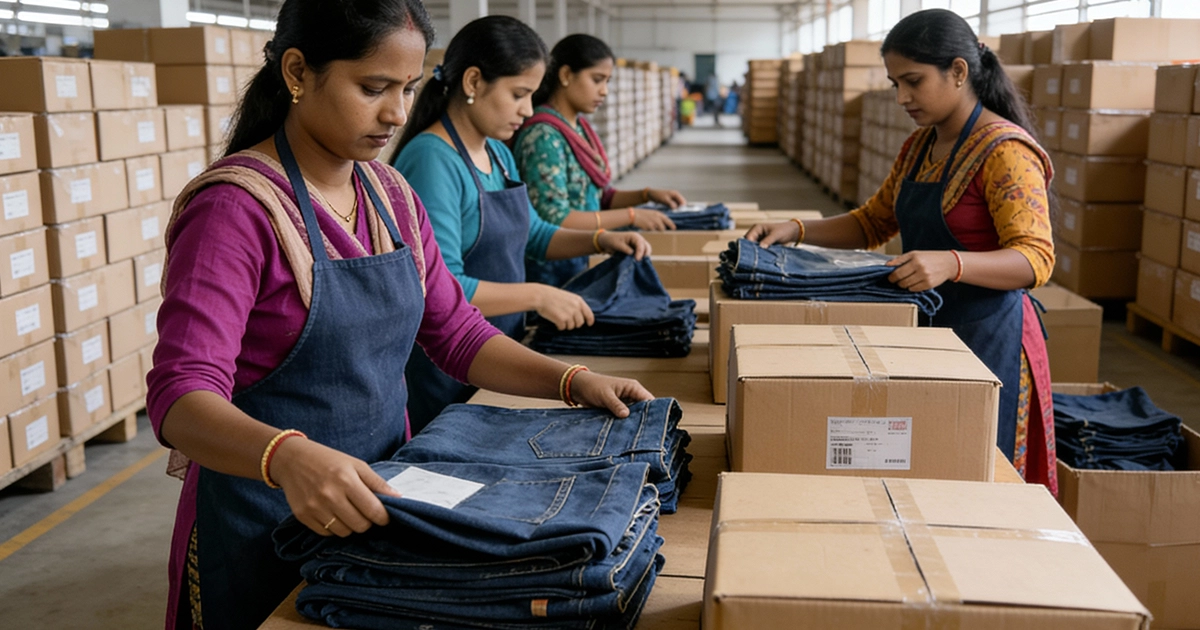
CSL Garment Trading structures manufacturing relationships through clear governance, ongoing supervision, and integrated planning. Italian management defines strategic direction, while operational partners in Bangladesh execute production within aligned frameworks.
This model supports continuous improvement, stable lead times, and consistent quality across collections.